What Is Virality Clipping? How Clippers Get Paid in 2026
Virality clipping is getting paid to turn someone else's long videos into short clips. A creator, brand or agency shares footage and a budget, clippers cut it into vertical clips and post them on their own accounts, and they're paid for the verified views those clips earn. NPR calls it the clipping economy. The more clips you can post, the more chances you have at a hit, which is why fast clipping tools like goodgoodclips.com matter.
What is clipping on TikTok?
Video clipping means cutting short clips out of a longer video. On TikTok, “clipping” usually means posting those clips from someone else's streams, podcasts or interviews, often for a clipping campaign that pays per view. Doing it fast is the whole game, and it's exactly what goodgoodclips.com automates: upload a long video, get vertical clips with captions.
How clipping campaigns work
- A campaign is posted. A creator or brand lists their content, the platforms they want clips on, the rules and the pay per 1,000 views.
- You join and get the footage. Most campaigns share the long videos or point you to their channel.
- You cut and post clips. Vertical, captioned, with a strong hook, on your own TikTok, YouTube Shorts or Instagram accounts.
- You submit your clips. The campaign checks that they follow the rules.
- You get paid for verified views. Payouts are based on views the platform can verify, often with a cap per clip.
How much do clippers earn?
Most campaigns pay around $1 per 1,000 views. On 10 November 2026, the listed median across 707 live Content Rewards campaigns was $1.0875 per 1,000 views. Rates vary a lot: NPR reported one agency offering $1 per 1,000 views for baseball clips and an AI startup offering $25 per 1,000 views for clips about its product.
So a clip with 100,000 verified views at $1 per 1,000 earns $100. Very few clips get there, and many campaigns cap how much one clip can earn, so income comes from volume: lots of good clips, posted consistently.
Where to find clipping campaigns
Campaigns are listed on clipping marketplaces such as Content Rewards and Vyro, both named in NPR's reporting, and some creators run their own clipping programs on Discord. Read each campaign's rules before you start: which platforms count, the minimum clip length, whether captions are required and how views are verified.
How to clip faster with goodgoodclips
Clippers win on speed and quality, and doing both by hand is hard when the source is a three-hour stream. goodgoodclips.com does the slow parts for you:
- Upload the campaign footage as MP4, MOV or WebM, or paste a direct link to the video file.
- Tell it what to look for. Pick moment types like Funny or Gaming highlights, or describe the topic the campaign wants in “Find clips about”.
- Get up to 50 clips from one video. The AI reads the whole recording, picks moments that open on a hook and land a payoff, and scores each one so you can post the strongest first.
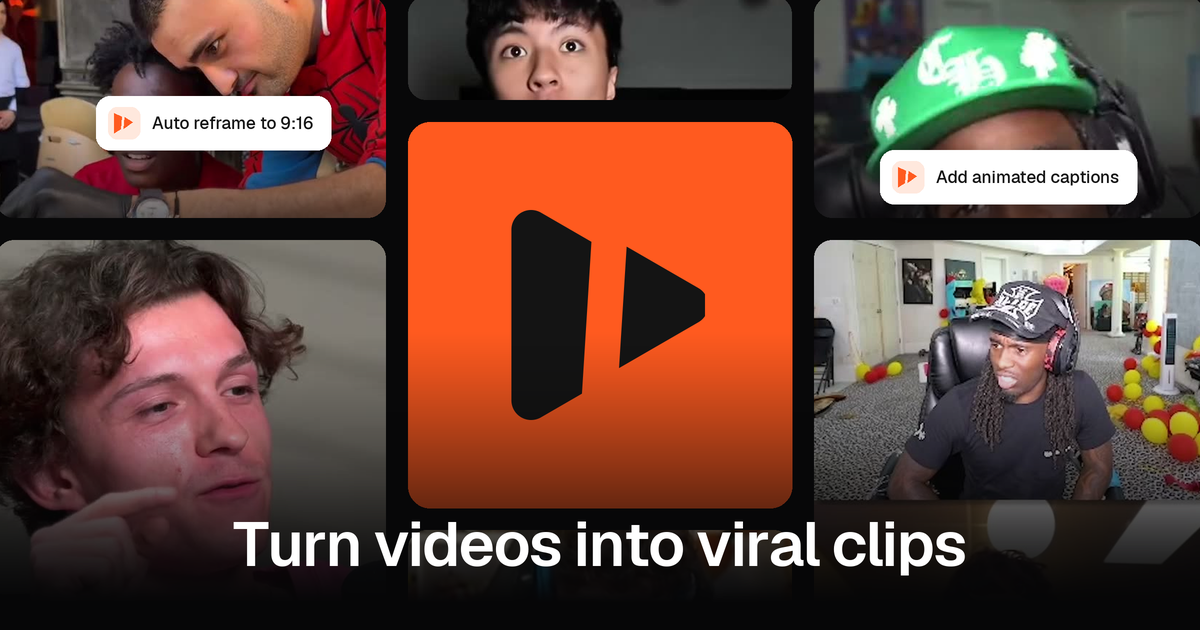
- Download and post. Clips arrive in 9:16 at 1080p with animated captions, no watermark, and a ready-written title, caption and hashtags.
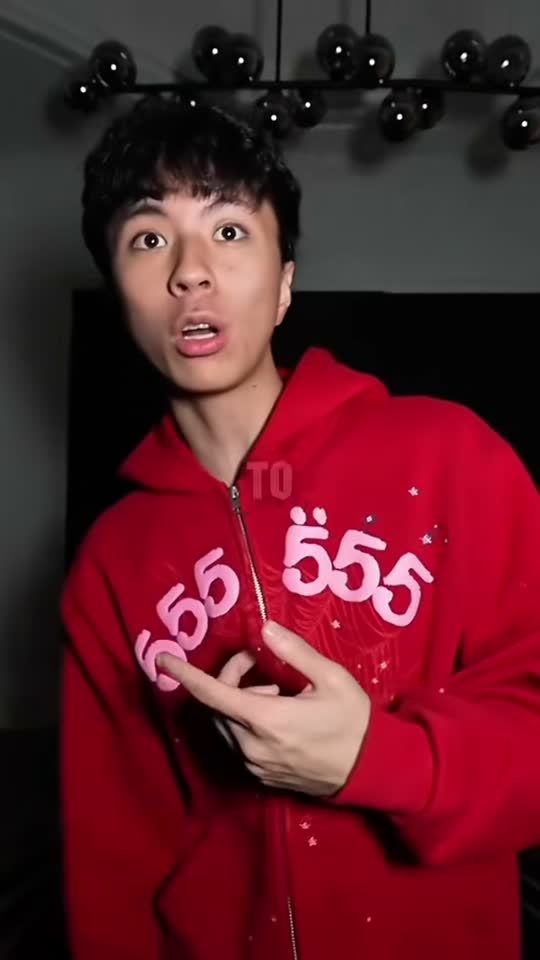
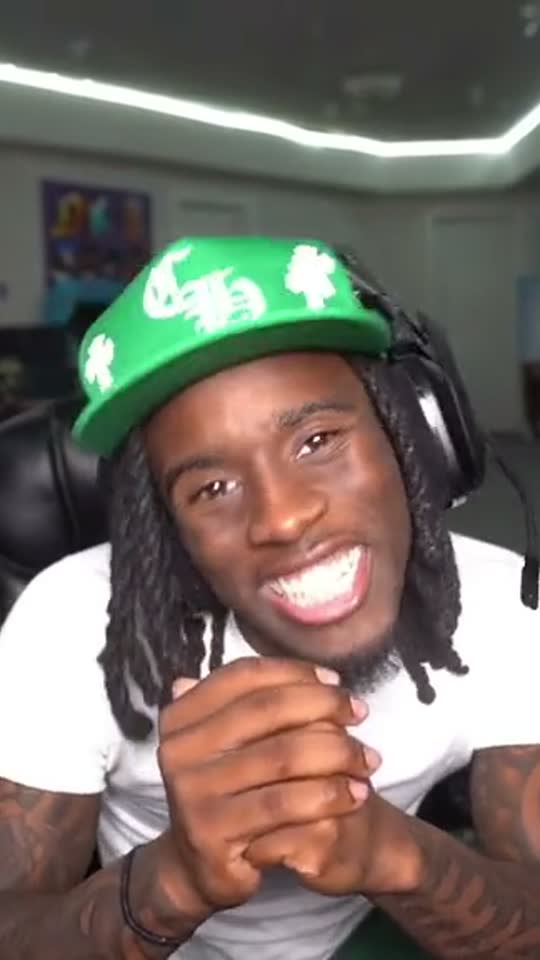
Because re-editing is free, you can also cut two or three versions of a strong moment, with a different hook, length or caption style, and see which performs best.
How to keep getting paid
- Only clip footage you have permission to use. Campaign footage is fine; random creators' videos are not.
- Never buy views. Campaigns verify views, and botted views get clips rejected and accounts banned.
- Follow each platform's rules on paid promotion. If a campaign pays you to post, disclose it the way the platform requires.
- Lead with the hook. The first two seconds decide whether a clip gets watched. Our guide to what makes a clip work on its own covers the rest.